
Gold trading has become an important part of investment strategies in the United States, offering stability during economic uncertainty and opportunities for both short-term and long-term gains. Understanding how to trade gold effectively is essential for investors who want to diversify their portfolios, protect their wealth or take advantage of market fluctuations. This guide explains the different ways to trade gold, how pricing works and what U.S. traders should consider before entering the gold market.
Trading gold begins with understanding the distinction between physical and digital forms. Physical gold includes bars, coins and bullion that investors can store themselves or place in secure vaults. This form appeals to those who want a tangible asset with no counterparty risk. Digital gold, traded through online platforms, allows ownership without the need for storage or insurance. It offers convenience and liquidity, making it attractive to active traders. Both forms reflect the value of the metal, but each serves a different purpose depending on investor goals.
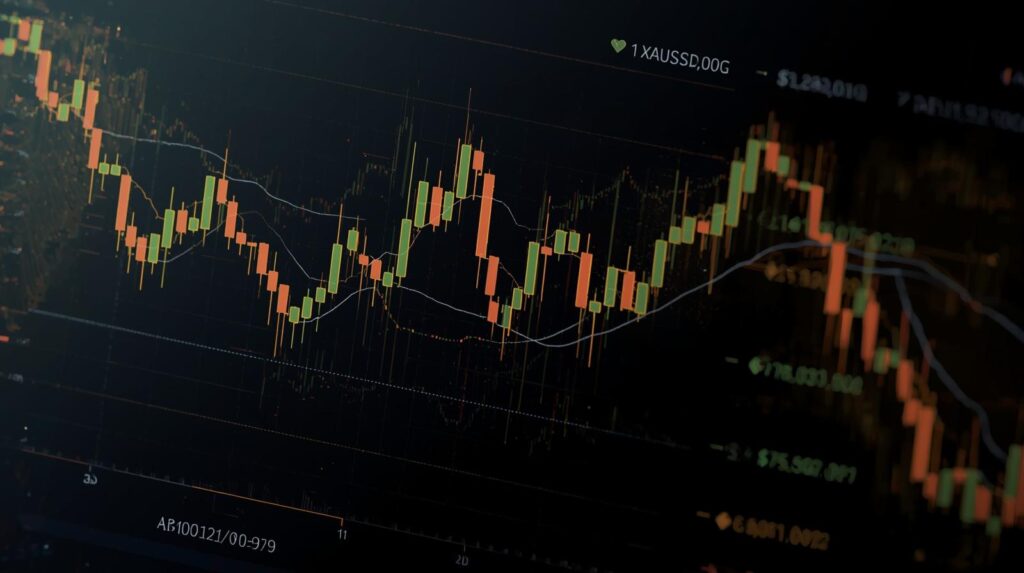
In the financial markets, gold can be traded through spot contracts, futures and exchange-based products. Spot trading involves buying or selling gold at the current market price, making it suitable for traders who want to respond quickly to price changes. Futures contracts allow traders to speculate on the future price of gold. These contracts are widely used in the United States and are traded on regulated exchanges. Futures trading requires a deeper understanding of leverage and market movements, but it offers high liquidity and opportunities for strategic positioning. Exchange-based products provide exposure to gold prices without owning the physical metal, and they are accessible through standard brokerage accounts.
Understanding how gold prices are determined is essential for effective trading. Gold’s price is influenced by global supply and demand, interest rates, inflation, currency strength and investor sentiment. In the United States, economic indicators such as consumer price data, employment reports and Federal Reserve decisions often have a direct impact on gold prices. When inflation rises or the dollar weakens, gold typically becomes more attractive. When interest rates rise, investors may temporarily shift toward income-generating assets, affecting gold demand. Recognizing these relationships helps traders anticipate price movements.
Liquidity is another important factor for gold traders. Markets that offer high liquidity allow traders to buy and sell quickly without large changes in price. Futures contracts, spot markets and digital gold platforms provide strong liquidity for U.S. investors. This advantage is particularly useful for traders who want to enter or exit positions rapidly in response to market activity. Liquidity also reduces trading costs and provides clearer price discovery.
Before trading gold, U.S. investors must determine their strategy. Long-term investors often view gold as a hedge against inflation and economic instability, holding it as a form of wealth preservation. Short-term traders focus on price movements, volatility and market trends. A well-defined strategy includes risk management, profit targets and clear entry and exit points. While gold is considered more stable than many other investments, its price still changes based on global economic conditions, making disciplined trading essential.
Storage and security considerations apply primarily to physical gold. Investors who choose physical bullion must decide whether to store it at home, in a private vault or with a trusted custodian. Secure storage maintains the metal’s integrity and protects it from loss. Insurance can also play an important role in safeguarding physical holdings. For traders who prefer to avoid these responsibilities, digital and exchange-based options offer exposure to gold without the need for physical storage.
Tax considerations are another element of gold trading in the United States. Gains from selling gold may be subject to taxation, and the rules can vary depending on the form of gold held and the length of time it is owned. Investors should understand their reporting obligations to avoid issues during tax season. Keeping accurate records of purchase prices, holding periods and sale transactions is a practical step for smooth tax filing.
For new traders, learning the fundamentals of market analysis is beneficial. Technical analysis helps identify patterns and price levels that can indicate future movement. Fundamental analysis focuses on economic data, geopolitical events and central bank actions that influence gold demand. Combining both approaches offers a clearer view of market direction and supports better trading decisions.
Trading gold can complement a wide range of investment strategies by adding stability and reducing overall portfolio risk. Whether through physical ownership, spot trading, futures contracts or digital platforms, U.S. investors have multiple ways to participate in the gold market. Understanding how these options work and how gold responds to economic conditions helps traders navigate the market with confidence and build resilient, diversified portfolios that can withstand changing financial climates.